



Apple Productivity
Apple Productivity
Due to confidentiality, this case study shows a selected view of the work and excludes sensitive product, technical and business information.
Designing the future of work for 100,000+ employees
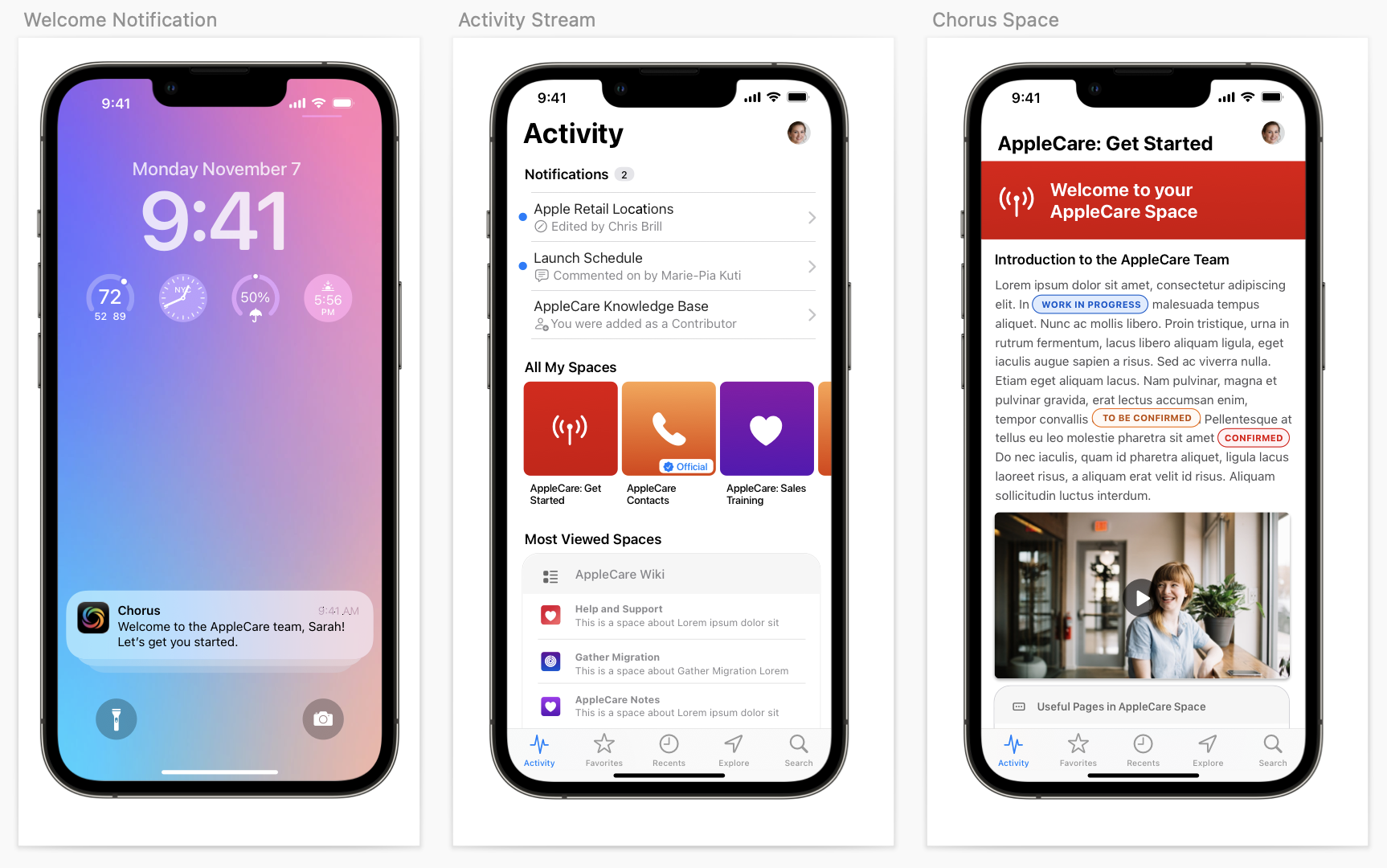
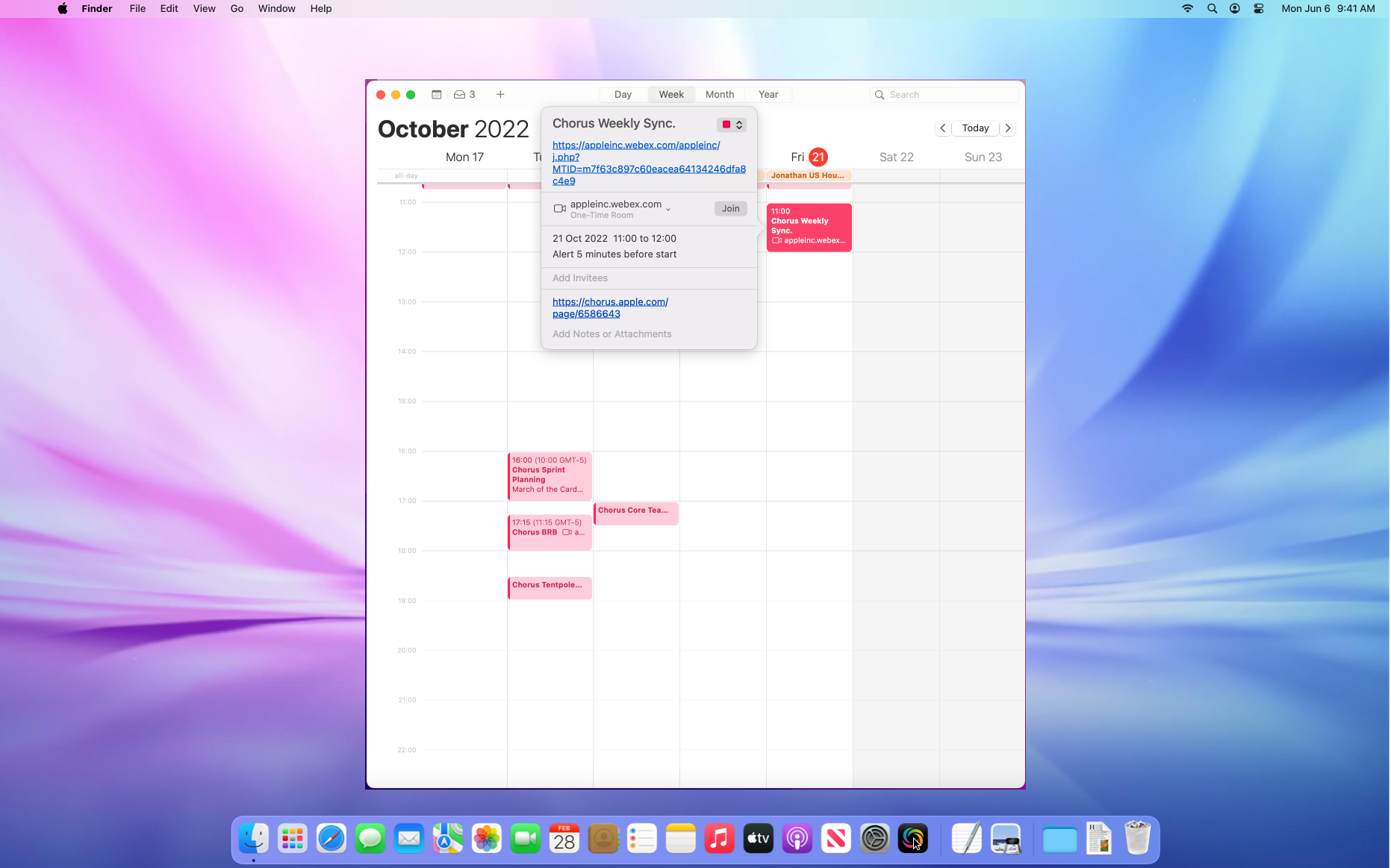
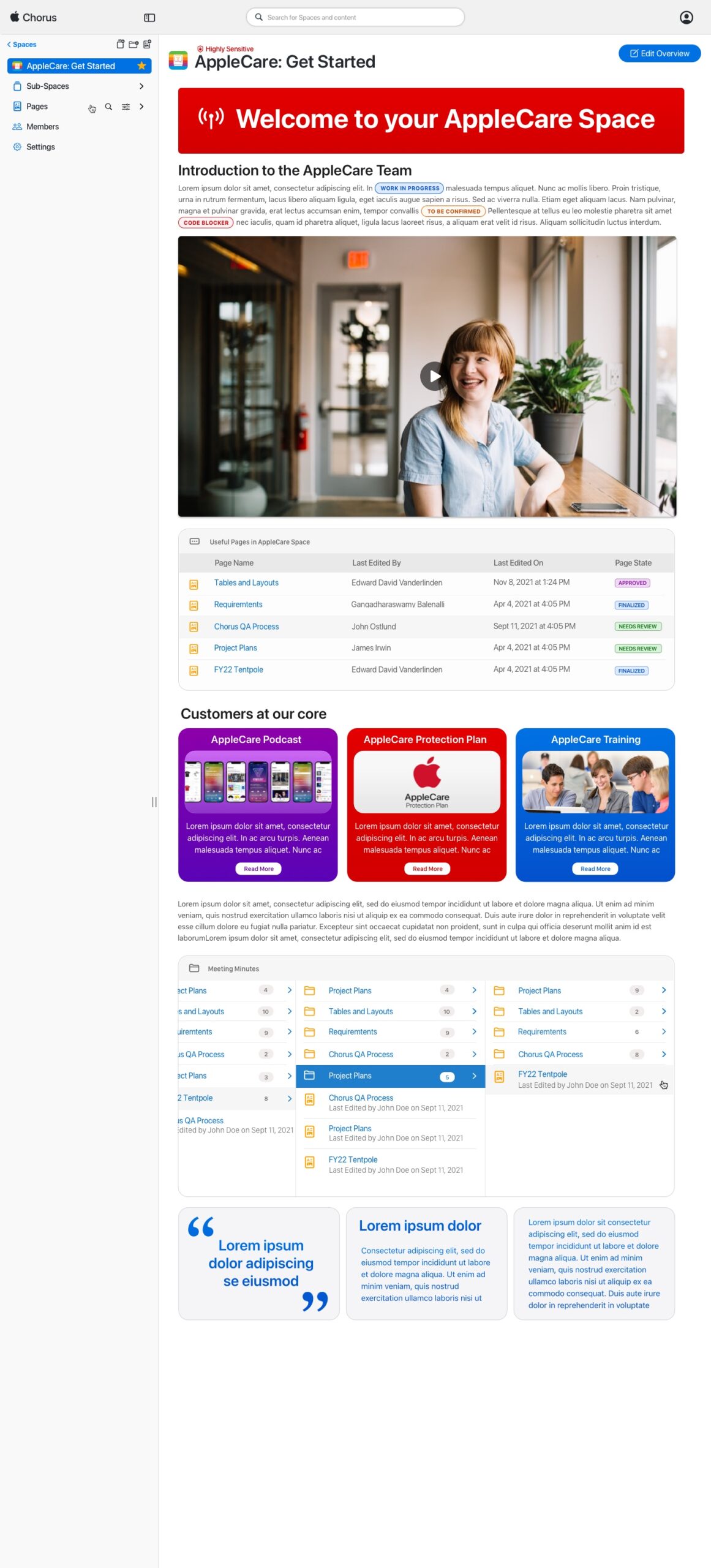
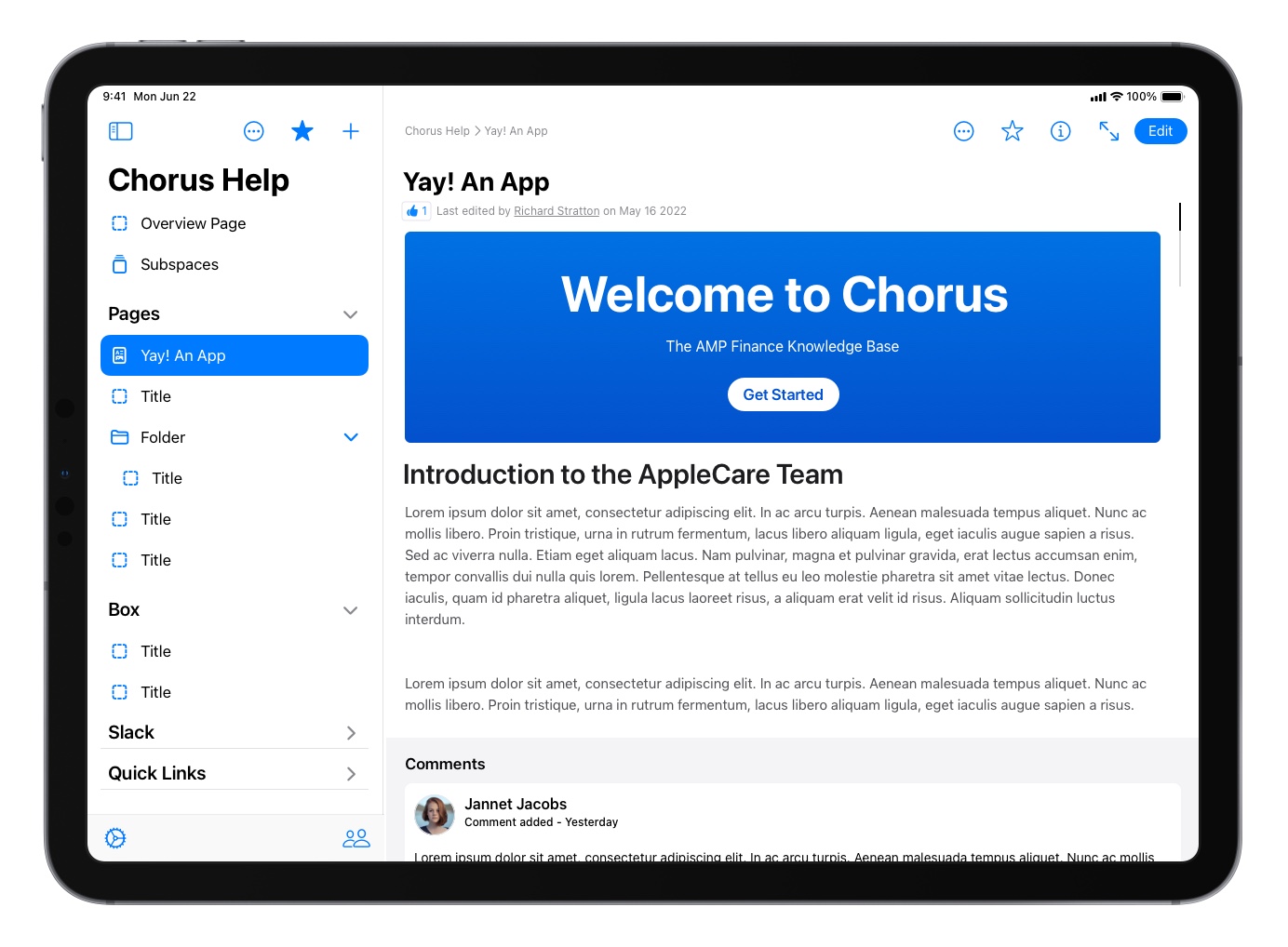
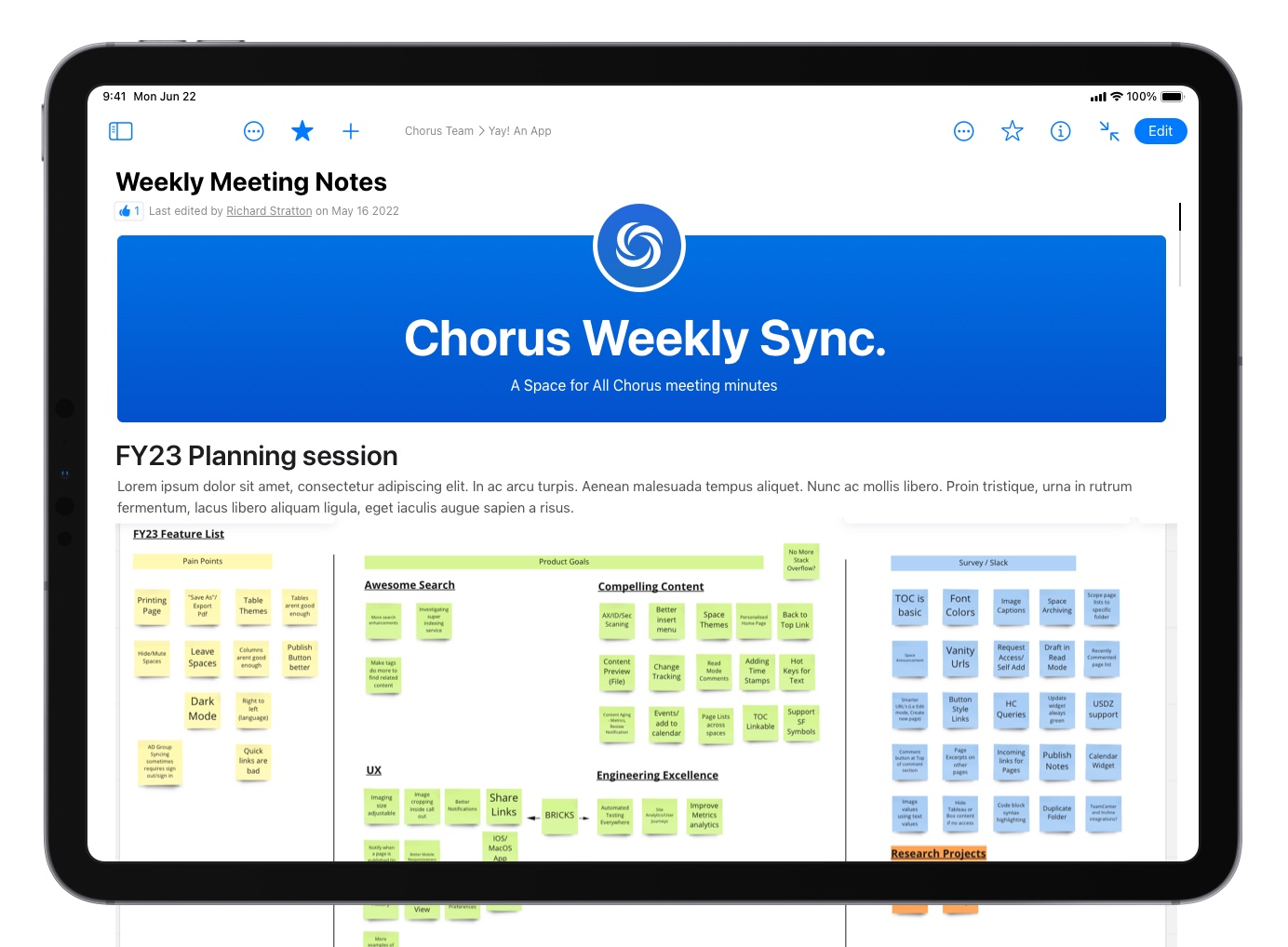
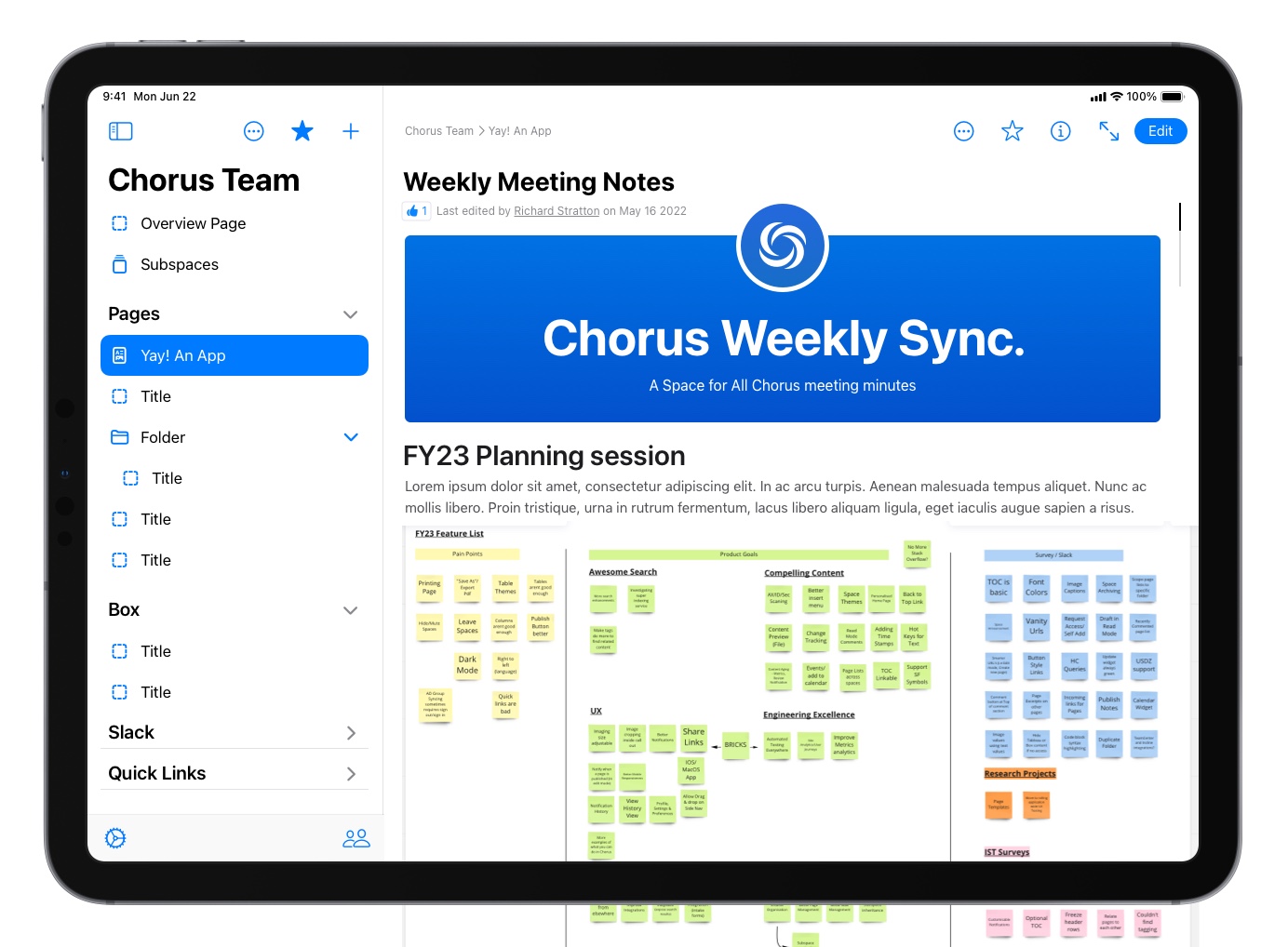
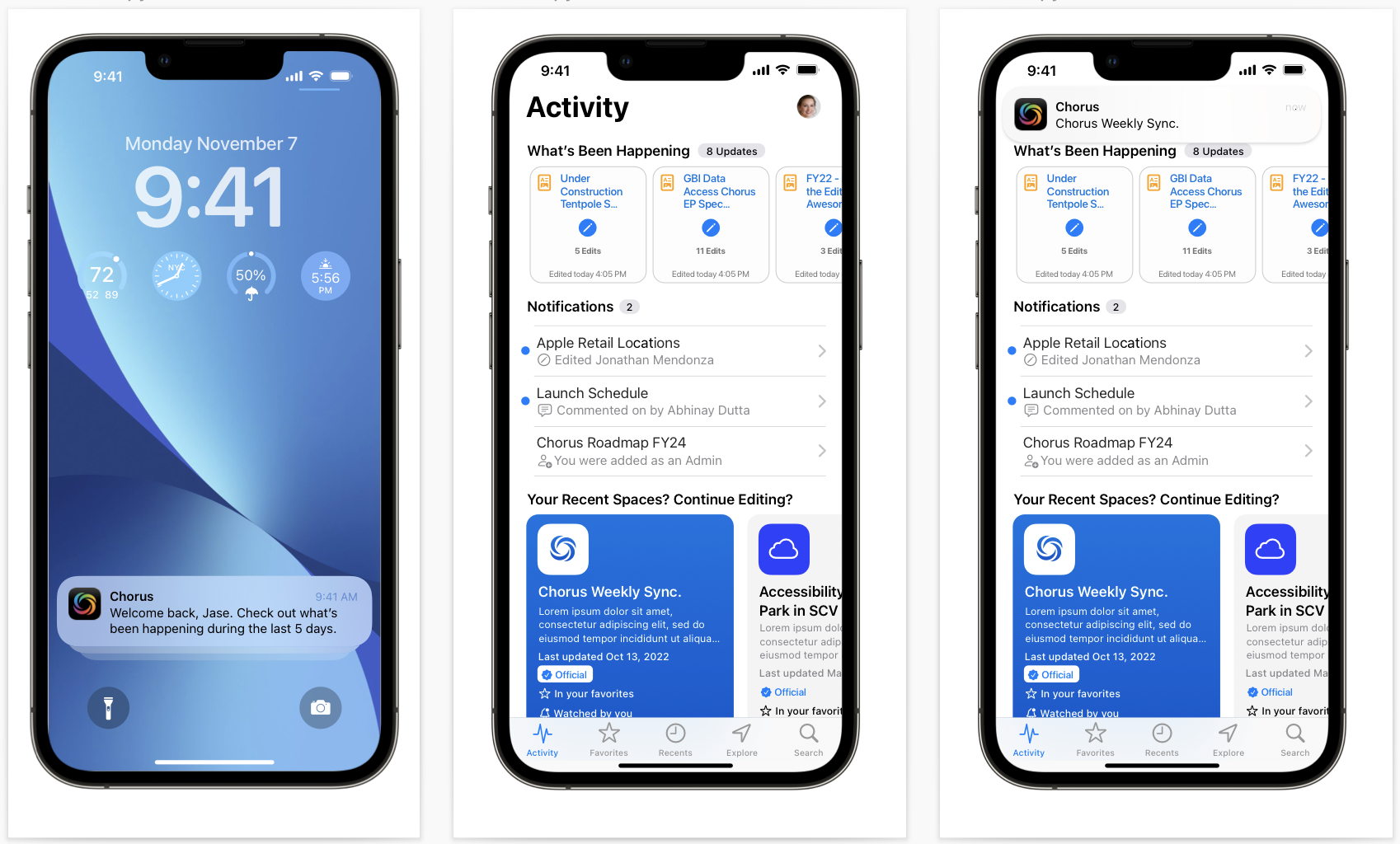
At Apple, I worked on an internal collaboration and productivity platform used across the organisation. The product brought work, knowledge and communication together in one place, helping employees move more seamlessly between the tools, content and people they relied on every day.
The challenge
Employees were working across a fragmented ecosystem of productivity and collaboration tools, creating friction around finding information, sharing knowledge and managing work.
Our challenge was to rethink how these experiences could come together within a single platform — making everyday workflows simpler, more connected and easier to navigate at Apple scale.
My role
As a Product Designer, I worked across the end-to-end experience, from early concepts and interaction models through to detailed UI, prototyping and delivery.
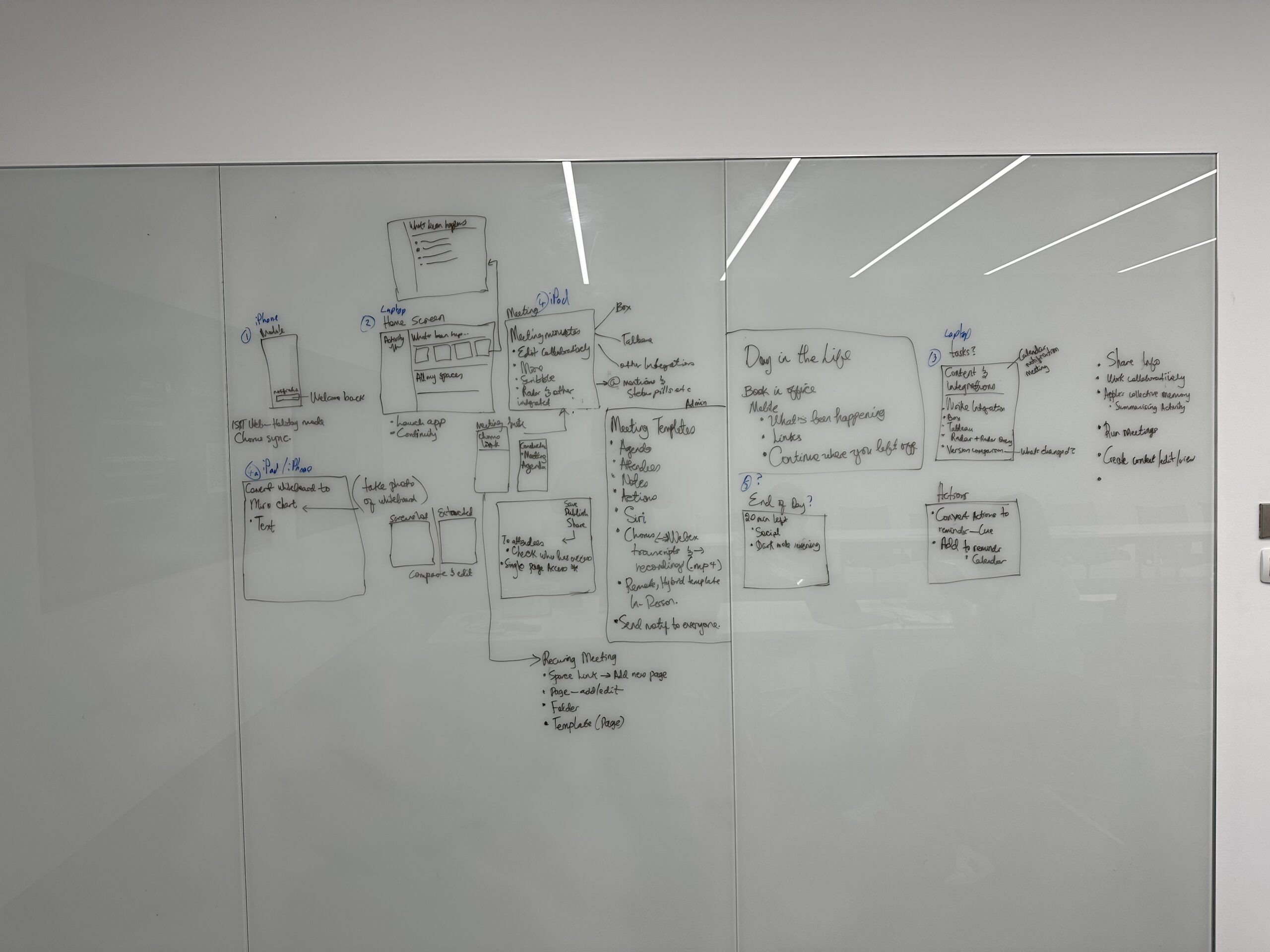
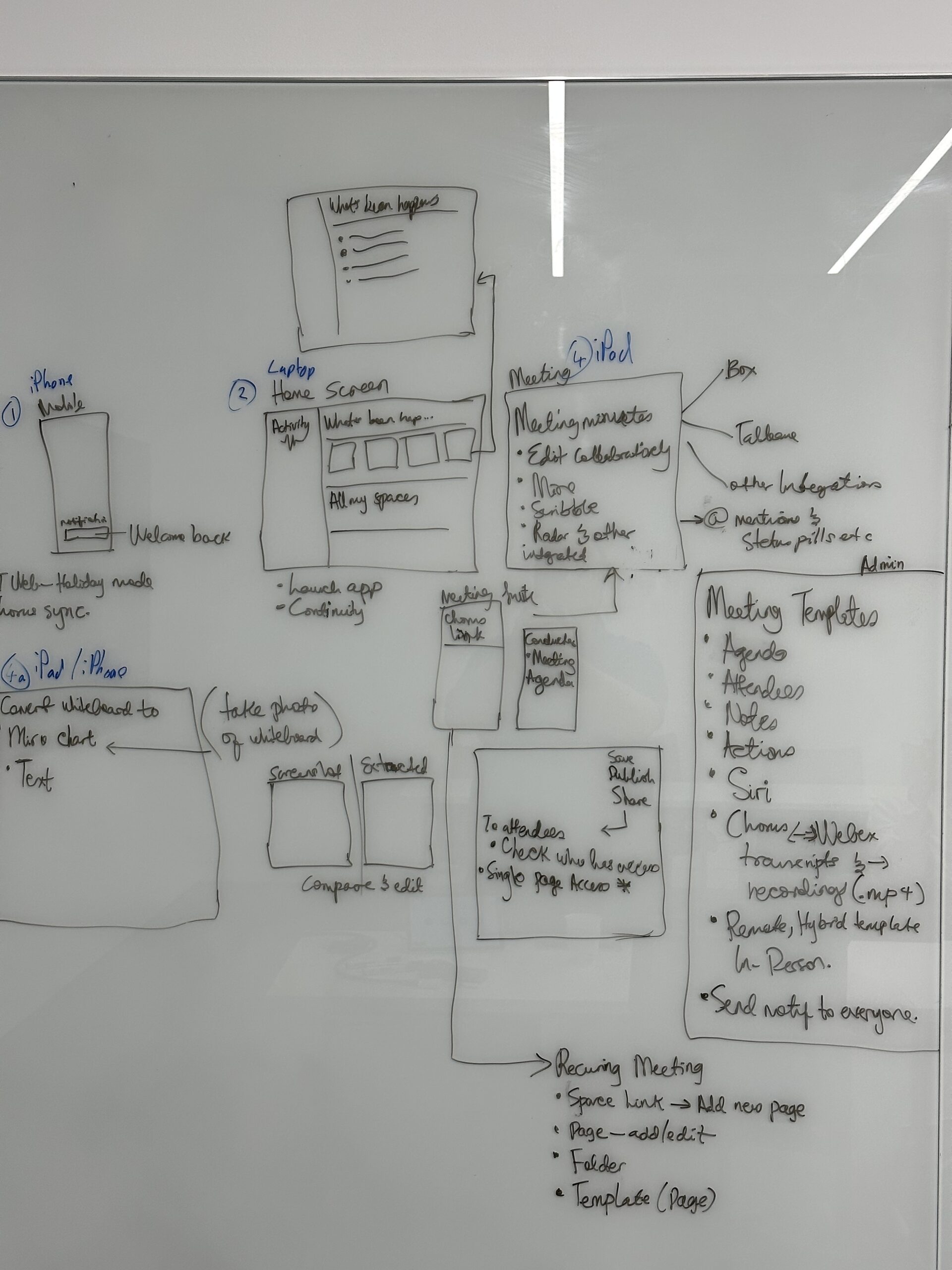
I collaborated closely with product, engineering and other design teams to explore new features, improve existing workflows and define how different types of work and content could coexist within a consistent product experience.
Designing a connected workspace
A key part of the work was reducing the distance between people and the information they needed.
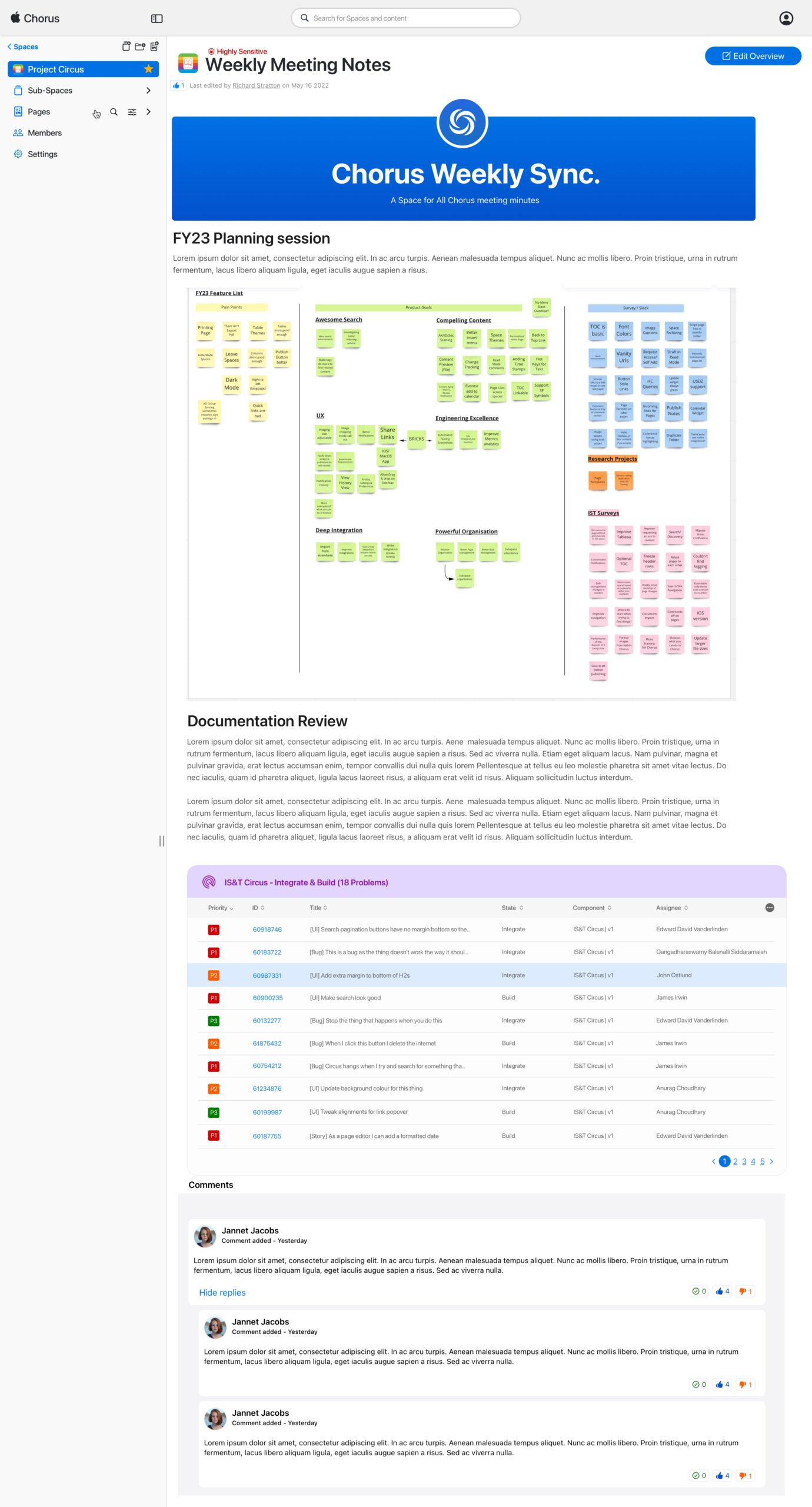
I explored experiences that allowed employees to discover relevant content, move between different areas of their work and interact with information without continually switching between disconnected tools.
The work covered complex enterprise workflows, information architecture, navigation, search and discovery, collaboration patterns and responsive interaction design.
Impact
The wider platform supported the consolidation of multiple internal tools into a more unified experience used by approximately 110,000 employees.
The programme helped simplify internal workflows, improve collaboration and knowledge sharing, and contributed to significant operational savings as legacy tools were replaced.